
A Practical Guide to Charging Your Electric or Plug-In Hybrid Vehicle: From Regular Plugs to Dedicated EV Chargers


As more drivers make the switch to electric and plug-in hybrid vehicles (PHEVs), one of the most common questions is:
“What’s the best way to charge my car at home?”
The good news is that you have options - from using a standard household outlet to installing a dedicated EV charger. Each method has benefits, limitations, and ideal use cases.
This guide breaks down the charging options, real-world speeds, and why a dedicated charger often delivers the safest, fastest, and most convenient experience.

1. Charging With a Regular Household Plug (Level 1)
Most EVs and PHEVs can be plugged directly into a standard power outlet using the portable charging cable that comes with the vehicle.
How fast is it?
Charging with a regular outlet is slow - typically 1.4–2.4 kW, depending on local voltage.
In practical terms:
PHEVs: Full recharge in 4–12 hours
Full EVs: Full recharge can take 20+ hours, depending on battery size
Pros
- No installation required
- Cheapest way to get started
- Ideal for low-mileage PHEV drivers who can charge overnight
Cons
- Very slow charging
- Not ideal for full EVs or busy households
- Regular outlets are not designed for frequent high-load charging
- Potential safety/wiring concerns if used as the primary long-term solution
2. Upgraded 15A/20A Circuit Charging (Still Level 1, But Better)
Some homes opt for a dedicated, higher-capacity outlet (like a 15A or 20A circuit) specifically for car charging.
Charging speed
Slightly faster than a standard plug — roughly 10–20% improvement, but still slow compared to a wallbox.
Pros
- More robust and safer than using a general-purpose outlet
- Affordable upgrade
- Good for small-battery PHEVs
Cons
- Still slow
- Most EV drivers outgrow this quickly
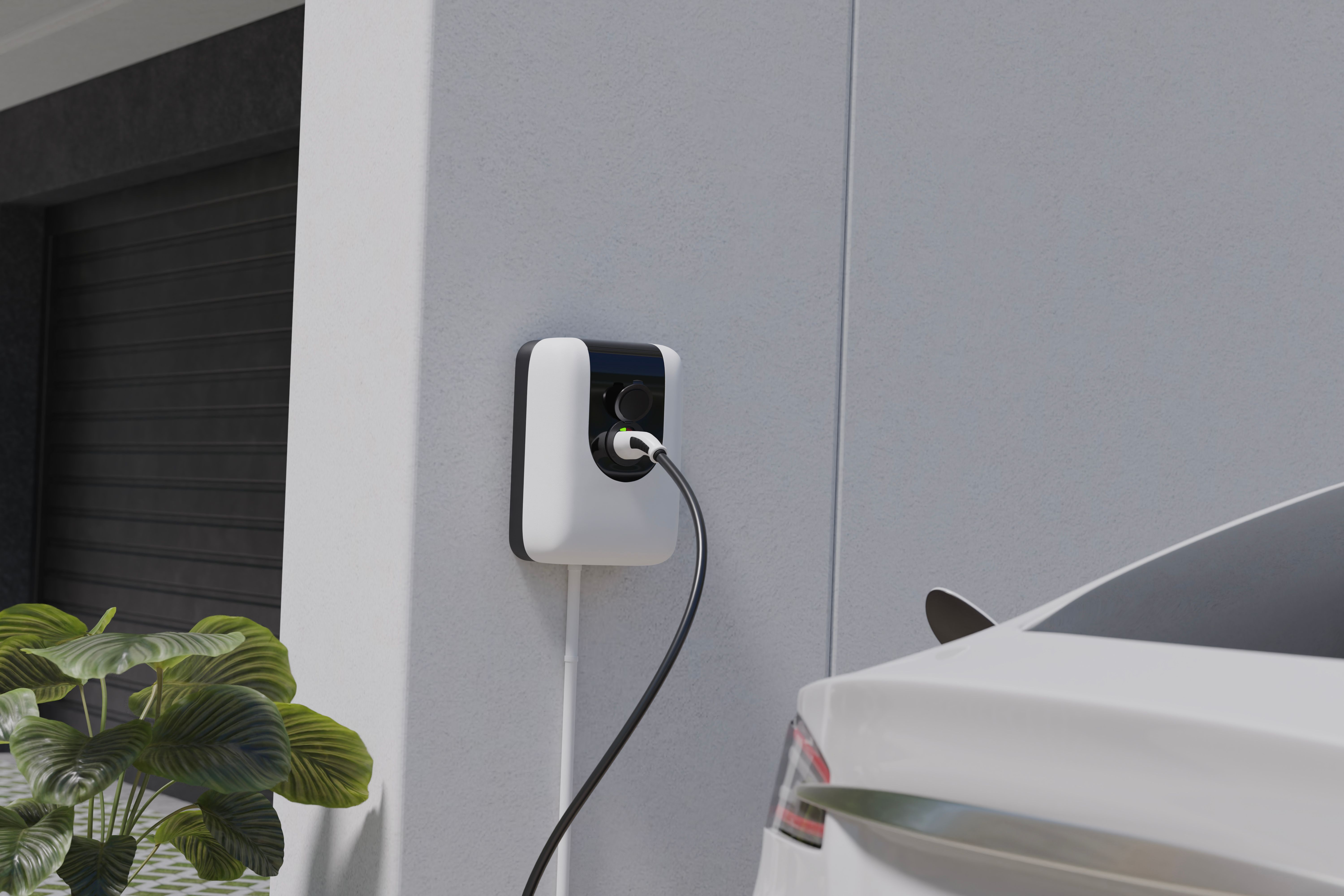
3. Dedicated EV Charger (Level 2 Wallbox)
A home EV charger (such as a Fox, Zappi, EO, or Wallbox unit) uses a dedicated circuit and delivers significantly more power.
Charging speed
Typically 7 kW on single-phase power (the most common in homes).
This reduces charging times dramatically:
PHEVs: Full recharge in 1–3 hours
Full EVs: 0–100% in 6–10 hours depending on battery size
Pros of a Dedicated Charger
Much faster charging:
Most EV owners can fully recharge overnight — or add 30–50 km of range per hour.
Safer and designed for repeated daily use:
Wallboxes include built-in safety features, thermal monitoring, correct cable ratings, and surge protection.
Convenient “plug-and-go” experience:
No need to pull out portable chargers or manage long extension leads.
Smart charging features:
Many dedicated chargers offer:
- Solar integration (charge only from excess solar)
- Timed charging to use cheap off-peak tariffs
- Energy monitoring
- Load balancing
Better for home electrical systems
A certified installer ensures the wiring, circuit protection, and installation are compliant and safe.
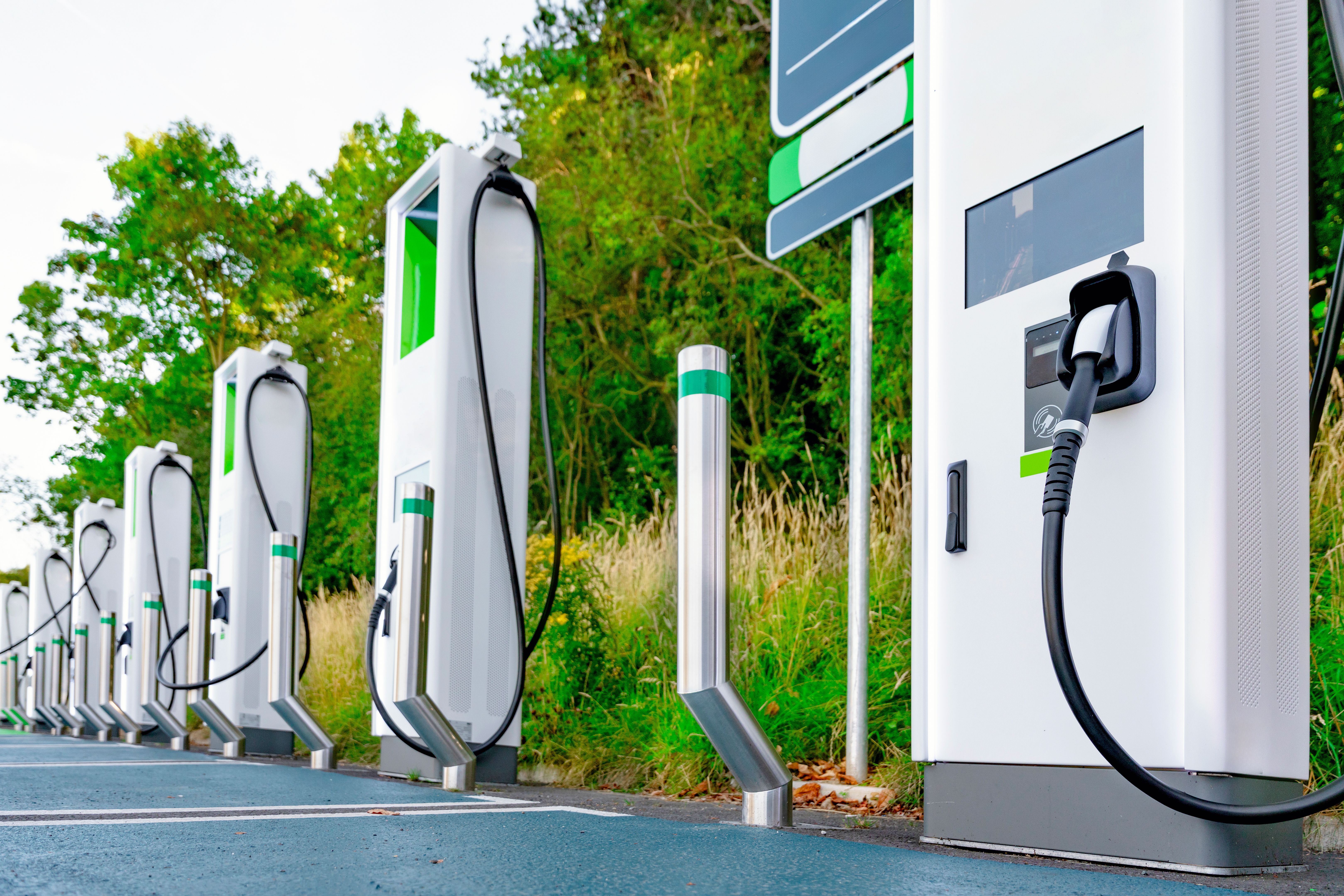
4. Fast Public DC Charging (Level 3)
This isn’t a home option, but it’s important to understand where it fits.
Charging speed
Anywhere from 25 kW to 350+ kW, depending on the charger and vehicle compatibility.
When it’s useful
- Long road trips
- Emergency top-ups
- When you need a quick turnaround
Downsides
- More expensive than home charging
- Not ideal for daily use (can stress the battery over time)

So Which Option Is Right for You?
If you drive a PHEV
A regular plug may be acceptable, but a dedicated charger makes charging faster, safer, and more convenient - especially if you want daily full electric range.
If you drive a full EV
A dedicated Level 2 home charger is almost essential. It ensures you can reliably recharge overnight and avoids long waits.
If you have solar
A smart charger (like Fox ESS, Tesla home charger or similar solar-aware systems) allows you to maximise free solar energy and minimise grid usage.
Final Thoughts
Charging options range from “plug it into the wall” simplicity to powerful, smart, solar-aware home charging systems. A dedicated EV charger offers the best balance of speed, safety, and long-term convenience - especially for drivers who rely on their vehicle every day.