Tesla Ends Solar Roof: What It Tells Us About the Future of Home Solar


Tesla has reportedly discontinued its Solar Roof tiles after almost a decade, choosing instead to focus on conventional solar panels. But rather than signalling a problem with rooftop solar, the decision highlights an important lesson: good solar doesn't need to be complicated.
When Tesla unveiled Solar Roof in 2016, the idea was compelling.
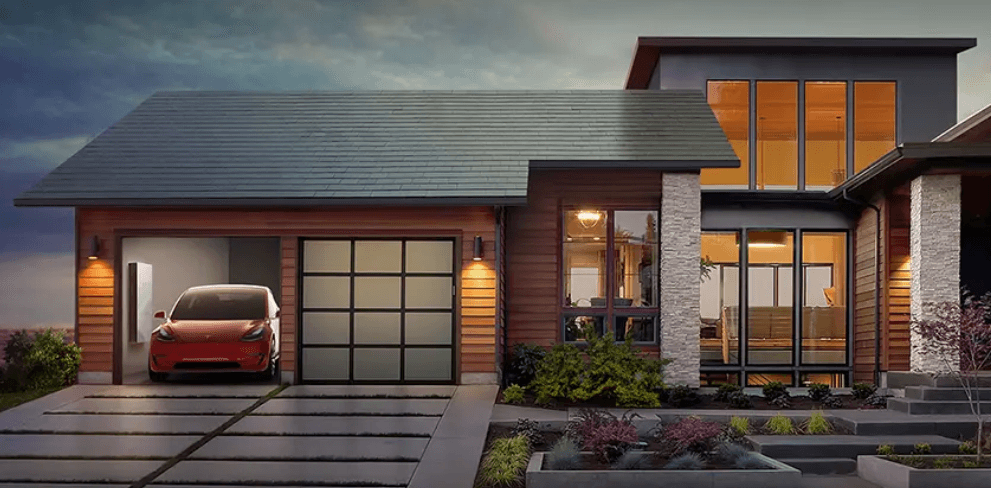
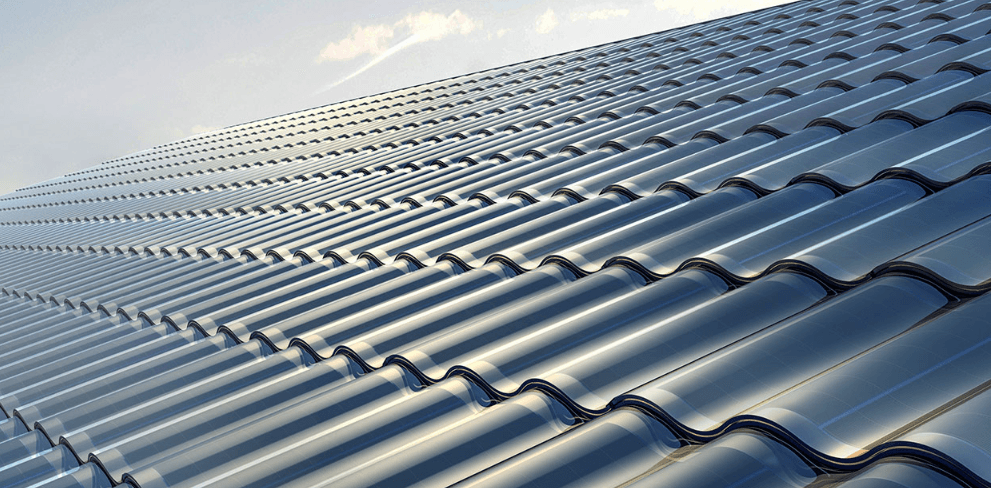
Instead of installing solar panels on top of a conventional roof, Tesla wanted the roof itself to generate electricity. Individual glass roof tiles would incorporate solar cells, creating a cleaner, more integrated appearance than conventional rooftop panels.
Almost ten years later, that experiment appears to have come to an end.
Tesla has informed certified third-party installers that it will no longer supply Solar Roof tiles and will instead focus on conventional solar panels, according to reporting by Electrek. Tesla has also removed Solar Roof from its Energy navigation and its former Solar Roof webpage now redirects visitors towards solar panels.
So what happened and what does it mean for homeowners considering solar in Portugal?
The attraction of Solar Roof was easy to understand. For somebody already replacing or constructing a roof, why install a conventional roof and then attach solar panels on top of it?
In principle, an integrated solar roof could provide both weather protection and electricity generation while maintaining the appearance of a premium tiled roof. The difficulty was making that concept work economically at scale.
One source close to the programme said Tesla had concluded that Solar Roof was not financially viable. The publication points to manufacturing complexity, labour-intensive installation and limitations around tile positioning and shading as factors affecting the economics.
Installation volumes also remained far below Tesla's ambitions. Tesla had previously targeted production and installation of around 1,000 Solar Roof systems per week. Data from Wood Mackenzie cited by Electrek estimated peak installations at only around 21–32 systems per week, with approximately 3,000 systems installed in the US over several years.
The product simply never achieved the scale originally envisaged. The Problem Wasn't Solar. It Was Complexity. This is perhaps the most important part of the story.
The good news is that Tesla isn't abandoning solar energy. It's just abandoning a particularly complicated way of putting solar on a roof. Tesla's current energy business continues to include conventional solar panels alongside Powerwall battery storage and its larger-scale Megapack products. That distinction matters because conventional rooftop solar has a major advantage that can easily be underestimated, it's modular.
A typical residential solar installation separates the major components: Solar panels, inverter, battery where required, electrical installation, monitoring and energy management. Each component performs a defined job. That gives designers greater freedom to select equipment appropriate for the property and makes individual components easier to inspect, monitor, maintain and potentially replace over the system's lifetime.
With a highly integrated solar roof, the electricity-generating technology becomes part of the building envelope itself. Beautiful? Potentially. Simple to manufacture, install, diagnose and repair? Not necessarily.
There's a Lesson Here for Solar Buyers in Portugal
When homeowners compare solar systems, much of the attention naturally goes towards the visible technology.
- Which panel?
- Which inverter?
- Which battery?
- Which brand?
- But at Sol Viva, we think there is a more important question:
How well does the complete system work for your home?
A good solar system isn't necessarily the one with the most fashionable technology.
It should be designed around factors such as:
- Your actual electricity consumption
- When you use electricity
- Roof orientation and available space
- Shading
- Expected solar production
- Future EV charging
- Whether battery storage makes sense
- Backup requirements
- Equipment quality and warranties
- Monitoring and manufacturer support
- Long-term serviceability
That is why Sol Viva approaches solar as an integrated energy system rather than simply a collection of products.
Proven Technology Has Value
Innovation is important. Solar technology continues to develop rapidly, particularly around battery storage, intelligent energy management and EV integration. But innovation shouldn't come at the expense of reliability or practicality.
Conventional photovoltaic modules have become extremely well-established products. They can be installed using standardised mounting systems and connected to a wide range of inverter and battery ecosystems. That gives homeowners choice.
If requirements change in the future, the system can potentially evolve too.
A homeowner might initially install solar and later move towards solar + battery + EV charging + intelligent energy management. The roof doesn't necessarily need to become a proprietary electrical product to achieve that.
Maintainability Matters More Than Most Buyers Realise
There's another lesson from Solar Roof that we think deserves more attention. Solar systems are designed to operate for decades.
That means homeowners shouldn't only ask "How does this system perform when it's new?" They should also ask "How will somebody maintain it in 10 or 15 years?"
- Inverters can fail.
- Connectors can deteriorate.
- Monitoring systems can lose communication.
- Panels can become damaged.
- Batteries eventually age.
- Manufacturers can change product ranges.
And, as Tesla Solar Roof demonstrates, manufacturers can discontinue products altogether.
This is one reason Sol Viva treats solar as a long-term energy asset rather than a fit-and-forget installation.
Equipment selection, monitoring, warranties, technical support and the ability to service or replace individual components all matter.
What About Existing Tesla Solar Roof Owners?
The discontinuation doesn't mean existing Solar Roof systems suddenly stop working. However, it does raise legitimate longer-term questions around replacement components, servicing and product support.
Tesla has not, in the reporting we've reviewed, publicly detailed what the discontinuation means for long-term parts availability or support for every existing Solar Roof owner. It would therefore be premature to speculate about that.
Existing owners should retain their installation documentation, warranty information and equipment records and monitor any further guidance from Tesla or their certified installer.
Tesla Powerwall Is a Different Product
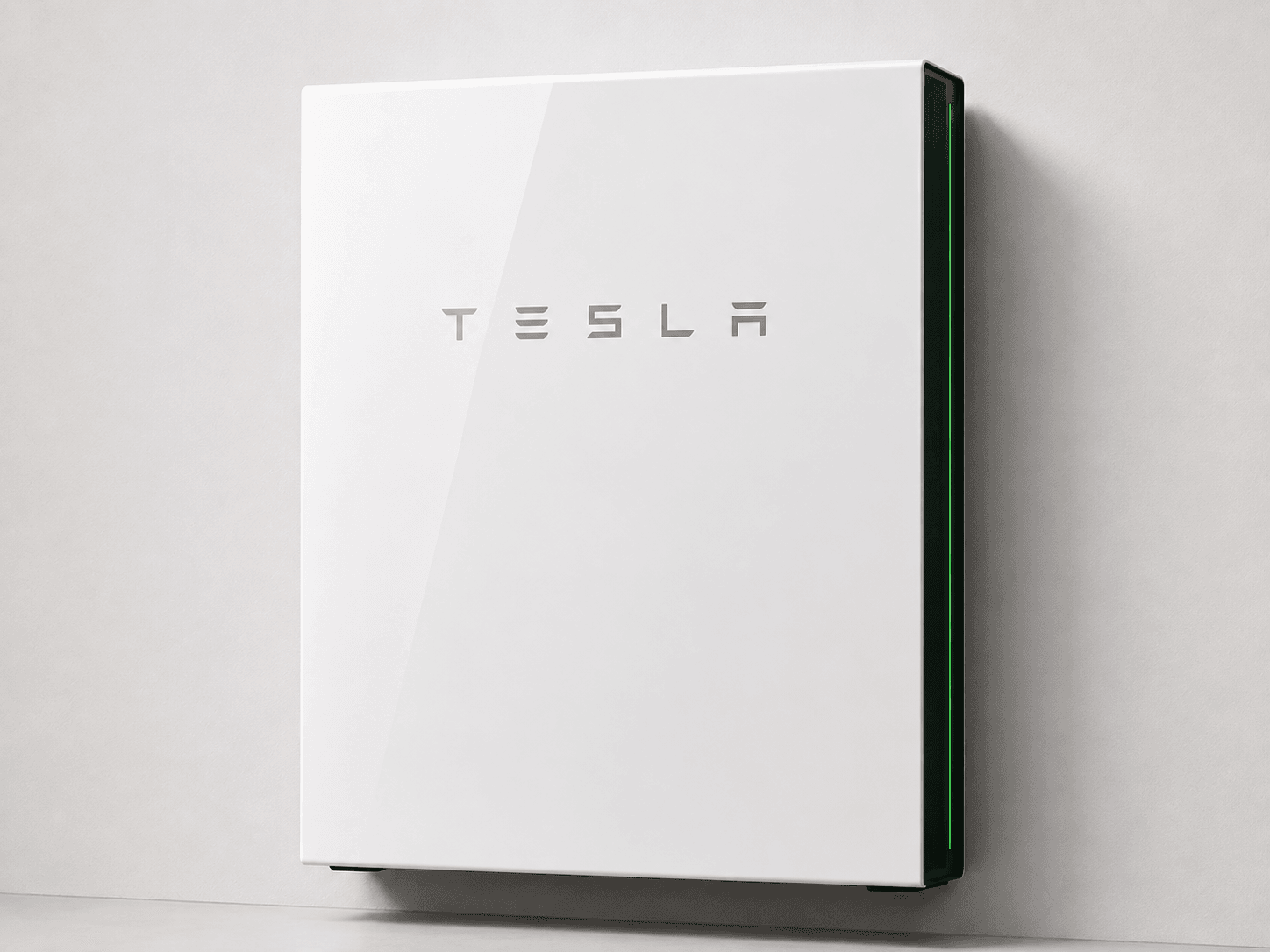
It's also important not to confuse Tesla Solar Roof with Tesla Powerwall. Solar Roof is the roof-integrated solar tile product being discontinued.
Powerwall is Tesla's home battery storage system and remains part of Tesla's current energy offering. Tesla continues to develop software and operating features around Powerwall.
For homeowners in Portugal, Powerwall can therefore still form part of a solar and battery installation where it is technically and commercially appropriate.
As with any battery, the decision should be based on the property's consumption profile, solar production, electricity tariff, resilience requirements and expected use, not simply the badge on the front.
What Does This Mean for the Future of Solar?
Probably less than the headlines suggest. Tesla Solar Roof was an ambitious attempt to rethink the physical form of rooftop solar. Its discontinuation doesn't undermine the case for rooftop PV. If anything, it reinforces the strength of the conventional model i.e. High-quality solar panels + correctly sized inverter + appropriate battery storage + intelligent energy management + professional monitoring.
That architecture isn't as futuristic as replacing an entire roof with solar glass. But it is flexible, proven and comparatively straightforward to maintain. And for most homeowners, those qualities are considerably more important over the 20–30 year life of a solar investment.
The Sol Viva View
The lesson from Tesla Solar Roof isn't that innovation should be avoided It's that technology should solve a customer's problem rather than create additional complexity simply for the sake of innovation. At Sol Viva, we believe solar systems should be designed around the property and the people using the energy.
That means selecting equipment because it is technically appropriate, supported, maintainable and capable of working together as one integrated energy system. The objective isn't to install the most unusual technology on the roof. It's to build an energy system that performs reliably, reduces dependence on grid electricity and can continue delivering value for many years.
Considering Solar in Portugal?
Sol Viva helps homeowners and businesses across Portugal design, install, register, monitor and optimise high-quality solar and battery systems.
From understanding your electricity consumption and choosing the right equipment to battery storage, installation, registration and long-term Solar Care, we help you make informed decisions without unnecessary complexity.