The Complete Guide to Solar Panel Roof Mounting Systems


Installing solar panels isn’t just about choosing the right panels, it’s about how they’re mounted to your roof. The mounting system is what ensures your solar installation is safe, durable, weatherproof, and efficient for decades.
In this guide, we’ll break down the main types of roof mounting structures, how they work, and which is best for your property.
1. Pitched Tile Roof Mounting (Most Common in Portugal)
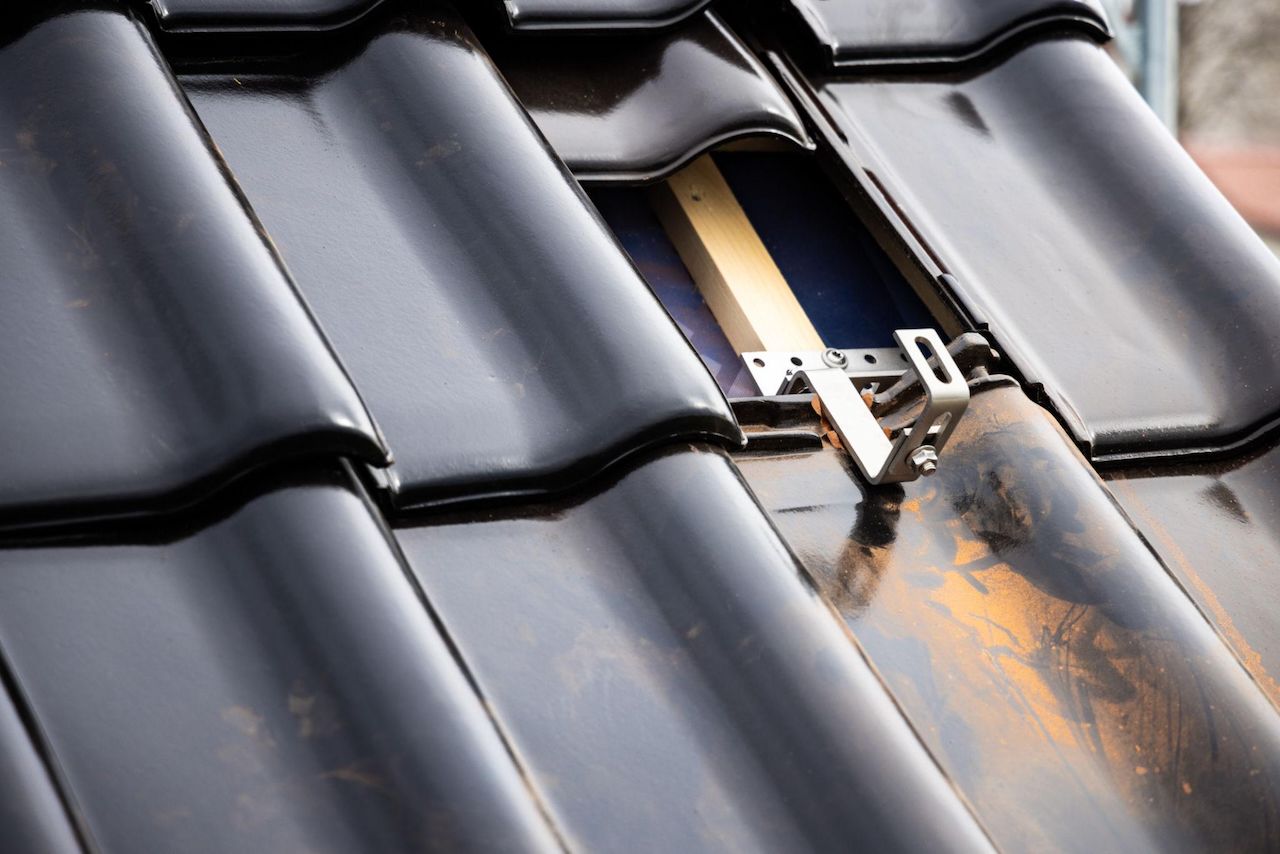
This is the most widely used system across Portugal, especially for homes with ceramic or concrete tiles.
How it works:
- Tiles are temporarily lifted
- Stainless steel roof hooks are fixed to rafters
- Aluminium rails are attached to the hooks
- Panels are clamped onto the rails
Pros:
- Strong and durable
- Minimal visual impact
- Works with most tiled roofs
Cons:
- Requires skilled installation to avoid leaks
Best for: Traditional homes and villas
2. Metal Roof Mounting (Standing Seam & Trapezoidal)
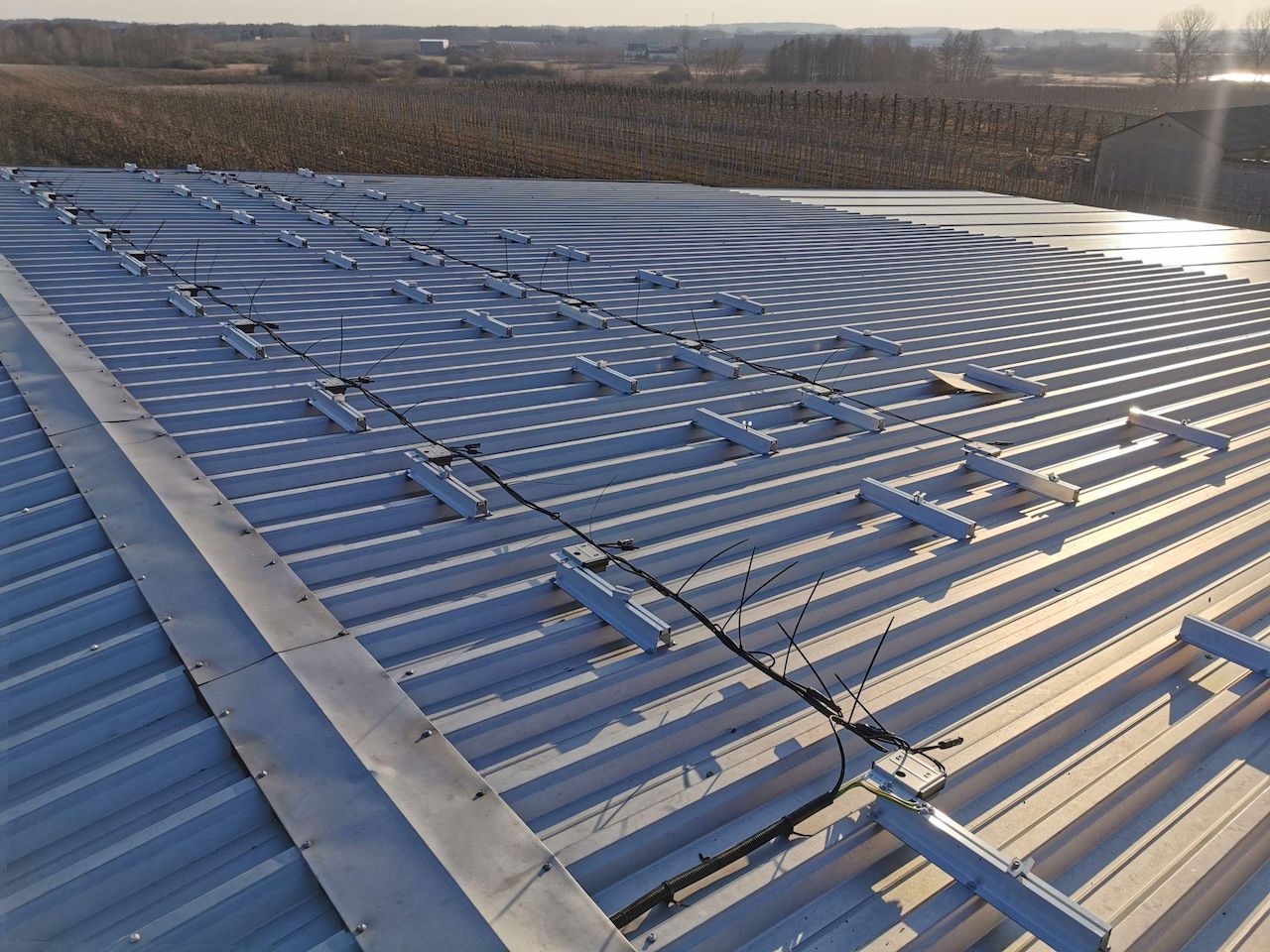
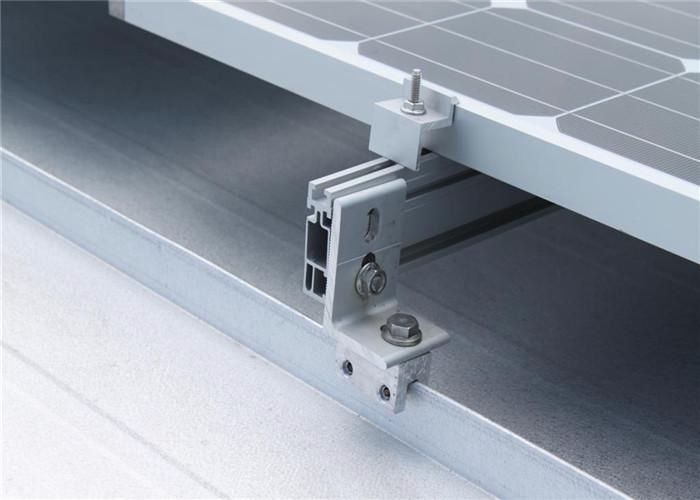
Metal roofs are ideal for solar because they allow non-penetrative mounting in many cases.
How it works:
- Special clamps attach directly to the seams or ridges
- Rails may or may not be required depending on system
- Panels are secured directly onto the mounting structure
Pros:
- Fast installation
- Often no drilling required (standing seam)
- Excellent waterproofing
Cons:
- Limited to specific roof profiles
- Clamp quality is critical
Best for: Modern homes, warehouses, commercial buildings
3. Flat Roof Ballasted Systems
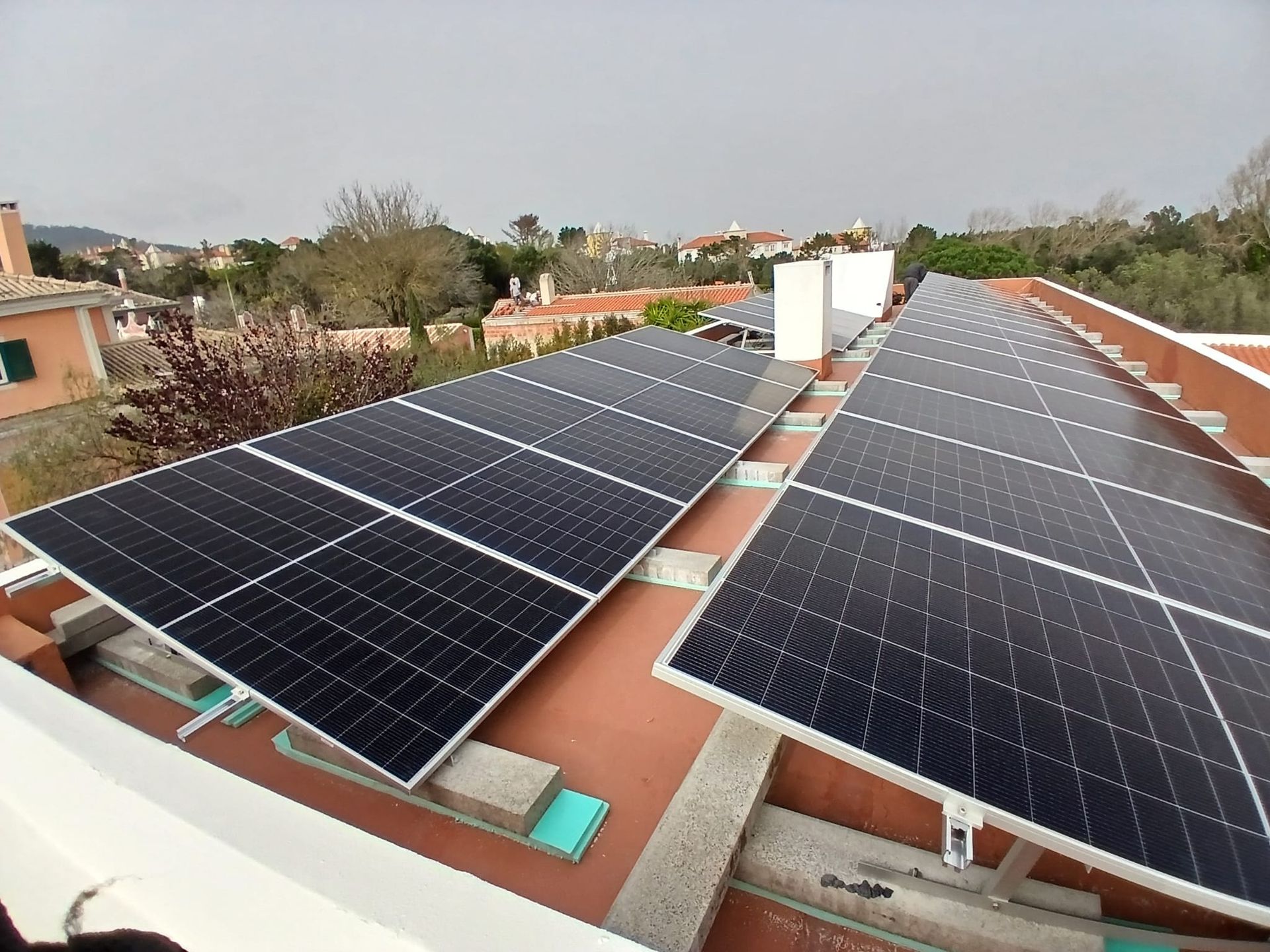
Flat roofs use angled mounting systems to optimise solar exposure.
How it works:
- Panels are mounted on tilted frames
- Weighted with ballast (concrete blocks)
- No roof penetration required (in most cases)
Pros:
- No drilling into roof
- Flexible orientation and tilt
- Ideal for large surfaces
Cons:
- Heavier load on roof
Best for: Larger homes, apartment buildings, commercial properties
4. Flat Roof Penetrative Mounting
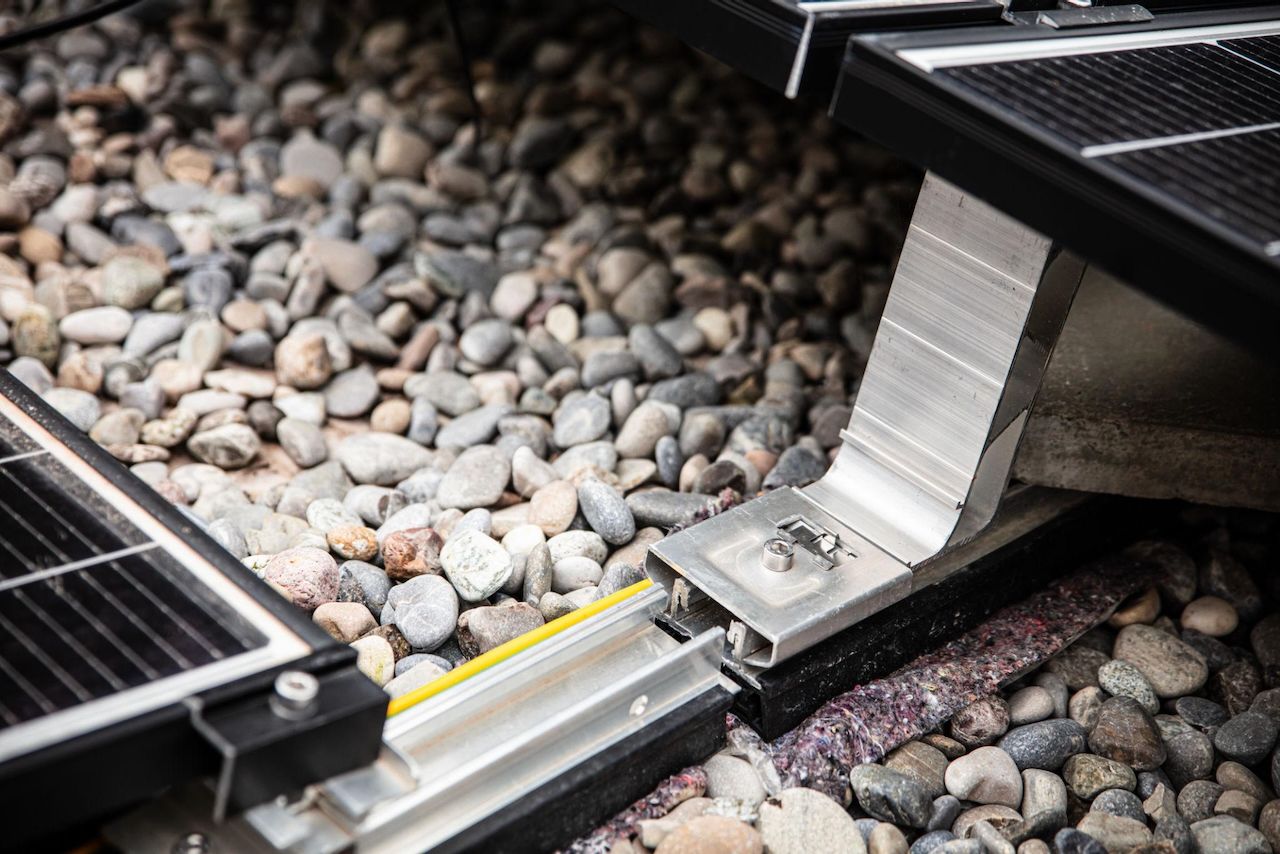
An alternative to ballasted systems when weight is a concern.
How it works:
- Mounting frames are bolted into the roof structure
- Waterproof seals are applied at each penetration point
Pros:
- Lighter than ballasted systems
- Stronger in high-wind areas
Cons:
- Requires roof penetration
- Waterproofing must be done perfectly
Best for: Windy areas or roofs with weight limits
Key Components Across All Systems
Regardless of roof type, most systems include:
- Mounting brackets or clamps
- Aluminium rails (in many systems)
- Panel clamps (mid + end clamps)
- Grounding and bonding components
What Really Matters (More Than the System Itself)
Choosing the right mounting system is important — but installation quality is everything.
Key risks to avoid:
- Poor sealing → roof leaks
- Incorrect spacing → wind damage
- Low-quality materials → corrosion over time
- Bad alignment → reduced performance
Final Thoughts
The “best” mounting system depends on:
- Your roof type
- Structural constraints
- Aesthetic preferences
- Budget
For most homes in Portugal, tile roof mounting systems remain the gold standard, but every project should be assessed individually.
Need Help Choosing the Right System?
If you’re unsure what’s best for your home, Sol Viva helps homeowners across Portugal:
- Analyse your roof and energy needs
- Recommend the right system and setup
- Connect you with trusted installers
- Review quotes and avoid costly mistakes
Learn more at: www.solviva.biz